Do you feel tired, bloated, or mentally foggy even when you are doing many things “right”? Maybe you sleep enough, try to eat well, drink water, and stay active, but your body still feels slow, heavy, or out of balance.
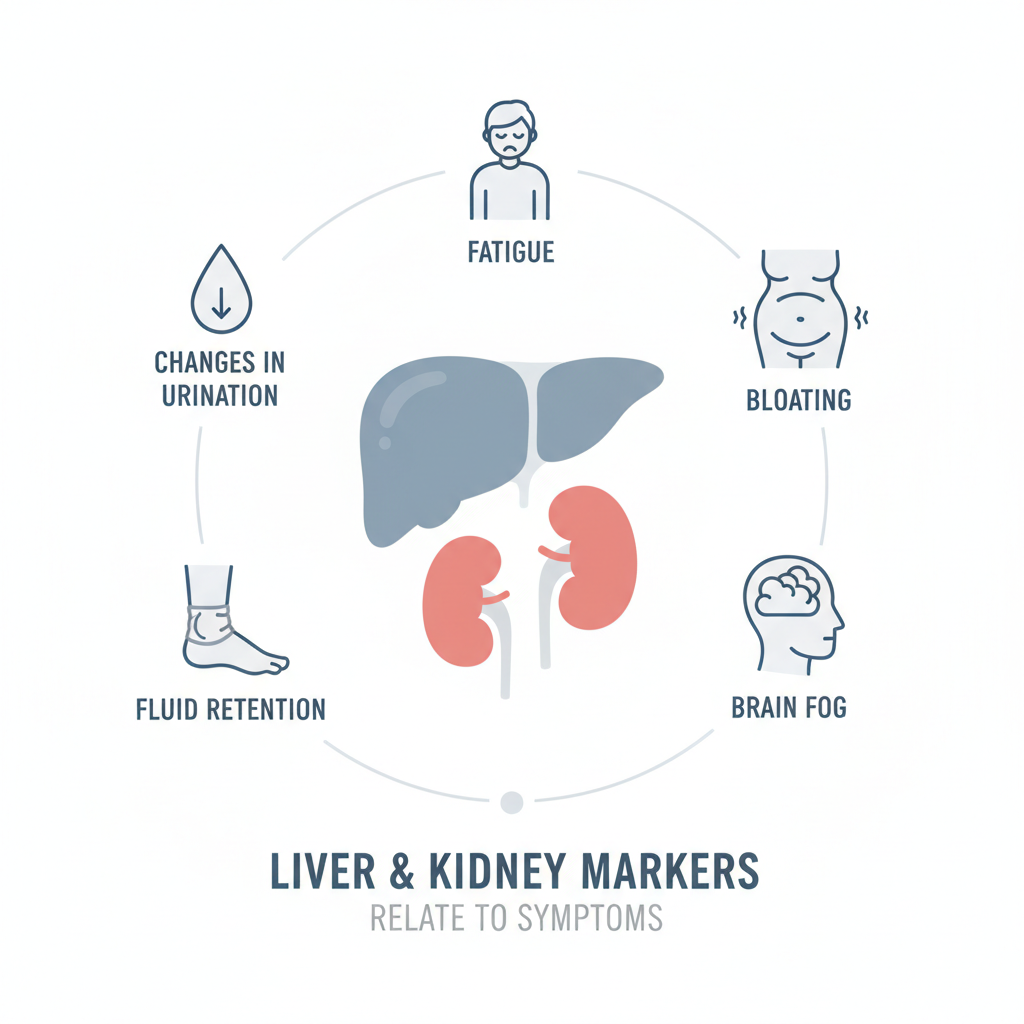
These symptoms are often blamed on stress, poor sleep, or a busy lifestyle. And sometimes, that is exactly what they are. But fatigue, bloating, brain fog, fluid retention, and changes in urination can also be signs that your liver and kidney markers deserve a closer look.
The liver and kidneys work constantly in the background to process nutrients, filter waste, regulate fluids, and keep your internal chemistry stable. When something starts to shift, the first signs are not always dramatic. Sometimes, they simply feel like being “off.”
Why vague symptoms are so hard to understand
Fatigue, bloating, and brain fog are frustrating because they are non-specific. They do not point to one single cause. They can be linked to sleep, stress, hormones, blood sugar, gut health, thyroid function, iron levels, inflammation, or nutrient status.
That is exactly why testing can be useful. Symptoms tell you what you feel, but biomarkers show what is happening inside the body. Liver and kidney markers can help reveal whether your body is processing, filtering, and maintaining balance as efficiently as it should.
The point is not that fatigue or bloating automatically means liver or kidney problems. They usually do not. The point is that persistent, unexplained symptoms are easier to understand when you combine how you feel with measurable data.
What do the liver and kidneys actually do?
The liver and kidneys are often described as “detox” organs, but that word can make the science sound vague. A better way to think about them is this: your liver is a processing center, and your kidneys are a filtration system.
The liver helps process nutrients from food, regulate blood sugar, produce bile for fat digestion, break down substances the body no longer needs, and make important proteins such as albumin. It is also involved in how your body handles alcohol, medications, hormones, and byproducts of normal metabolism.
The kidneys filter the blood, remove waste products through urine, balance water and electrolytes, and help regulate blood pressure. They also help maintain the body’s acid-base balance, which is part of keeping your internal environment stable.
When these systems work well, you rarely notice them. But when liver or kidney markers start to shift, the effects can show up in everyday ways that do not always seem directly connected.
Why you can feel “off” before symptoms become obvious
One reason liver and kidney changes can be difficult to recognize early is that both organs have a strong functional reserve. In simple terms, they can often keep doing their job for a long time before symptoms become severe or obvious.
That means early changes may not feel like sharp pain or a clear warning sign. Instead, they may show up as lower energy, heavier digestion, puffiness, reduced focus, or changes in how your body responds to alcohol, salt, or rich meals.
This is where markers matter. ALT and AST can give insight into liver cell stress. Creatinine and eGFR help show how efficiently the kidneys are filtering waste from the blood. These markers do not diagnose everything on their own, but they can help explain patterns that symptoms alone cannot.
Fatigue: when tiredness feels deeper than normal
Everyone gets tired. But persistent fatigue can feel different from ordinary tiredness after a long day. It may feel like low stamina, weakness, heaviness, brain fog, or feeling drained even after rest.
The liver and kidneys both help maintain the body’s chemical balance. If waste handling, fluid balance, blood sugar regulation, or protein metabolism is disrupted, the body may need to work harder to maintain stability. That extra physiological effort may contribute to feeling unusually tired.
Fatigue has many possible causes, including low iron, thyroid imbalance, poor sleep, stress, infections, inflammation, and nutrient deficiencies. Liver and kidney markers do not explain every case, but they can provide important context when fatigue is ongoing and unclear.
Bloating and heavy digestion
Bloating is usually linked to digestion, gut bacteria, food intolerances, constipation, or eating patterns. But the liver can also influence how digestion feels because it produces bile, a fluid that helps break down fats.
If you often feel heavy, full, or uncomfortable after meals, especially after fatty foods or alcohol, liver markers may be worth checking. This does not mean bloating equals liver disease. It simply means digestion and liver function are connected enough that persistent symptoms deserve context.
Markers such as ALT, AST, and bilirubin can help show whether there are signs of liver cell stress or changes in how the body processes waste products.
Brain fog and reduced focus
Brain fog can feel like slower thinking, poor concentration, forgetfulness, or a cloudy, unfocused mind. It can be linked to sleep, stress, hormones, blood sugar, inflammation, hydration, and nutrient status.
Your brain depends on stable internal conditions. The liver and kidneys help support that stability by regulating metabolism, fluid balance, electrolytes, and waste removal. When these systems are under pressure, some people may feel less mentally sharp.
Brain fog does not automatically point to liver or kidney dysfunction. But if it appears together with fatigue, bloating, puffiness, changes in urination, or reduced tolerance to alcohol, checking your markers can be a sensible step.
Fluid retention and changes in urination
The kidneys are central to fluid balance. They help decide how much water and salt the body keeps and how much is removed through urine.
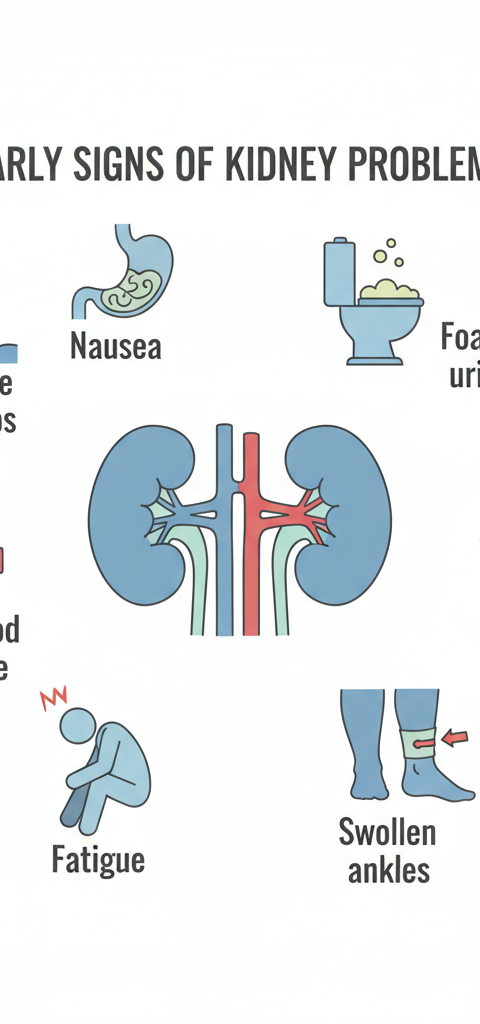
When this balance shifts, fluid can build up in the tissues. You may notice swelling in the ankles, feet, hands, or puffiness around the eyes. Socks may leave deeper marks than usual, rings may feel tighter, or your face may look puffier in the morning.
Changes in urination can also provide clues. This may include urinating more often, waking up at night to urinate, urinating less than usual, or noticing changes in urine color, foaminess, or consistency.
Many everyday factors can affect urination, including hydration, caffeine, urinary tract infections, medications, blood sugar, and hormones. But persistent changes, especially together with fatigue, swelling, or abnormal kidney markers, should not be ignored.
Reduced tolerance to alcohol or heavy meals
Another clue can be a noticeable change in how your body handles alcohol or rich meals. Maybe a small amount of alcohol now leaves you feeling unusually tired, nauseous, bloated, or foggy the next day. Or fatty foods feel heavier than they used to.
The liver plays a central role in processing alcohol, fats, medications, and many metabolic byproducts. A clear change in tolerance does not automatically mean something is wrong, but liver markers can help show whether there are signs of increased liver stress.
This is not about assuming the worst. It is about connecting symptoms with data instead of guessing.
What liver and kidney markers can tell you
A blood test can provide insight into several important areas of liver and kidney function.
For the liver, ALT and AST are enzymes found inside liver cells. When liver cells are irritated or damaged, more of these enzymes can enter the blood. Bilirubin reflects how the body processes waste from red blood cell breakdown. Albuminis a protein made by the liver and can provide context around liver function, nutrition, inflammation, and fluid balance.
For the kidneys, creatinine is a waste product from normal muscle activity. Your kidneys usually filter it out of the blood. eGFR uses creatinine to estimate how efficiently your kidneys are filtering. BUN reflects another waste product linked to protein metabolism and can be influenced by hydration, diet, and kidney function.
None of these markers should be interpreted alone. But together, they can show patterns that are much more informative than symptoms by themselves.
How to test liver and kidney markers
For symptoms such as fatigue, bloating, brain fog, fluid retention, and changes in urination, the Liver & Kidney Health Test is the most relevant option because it looks at markers connected to both organ systems.
This can help you understand whether your symptoms may be connected to liver processing, kidney filtration, fluid balance, or waste handling. It is especially useful when your symptoms feel general rather than clearly liver-specific or kidney-specific.
If your concerns are mainly digestion-related, alcohol-related, or focused on liver enzymes, a Liver Function Test may be a more targeted option. If your concerns are mainly swelling, urination changes, or filtration markers such as creatinine and eGFR, a Kidney Function Test may be more relevant.
When should you consider testing?
You may want to check your liver and kidney markers if you have ongoing fatigue without a clear reason, frequent bloating or heavy digestion, brain fog, fluid retention, changes in urination, or reduced tolerance to alcohol or fatty meals.
Testing may also be useful if you have risk factors such as high blood pressure, diabetes, metabolic syndrome, frequent NSAID use, higher alcohol intake, a family history of kidney disease, or previous abnormal liver or kidney results.
The goal is not to diagnose yourself from one result. The goal is to understand your baseline and see whether your symptoms match anything measurable.
Conclusion
Fatigue, bloating, and brain fog are common symptoms, but they are not always random. They can be linked to sleep, stress, digestion, hormones, nutrients, or blood sugar. In some cases, they may also relate to how well the liver and kidneys are processing waste, regulating fluid balance, and supporting metabolic stability.
Checking liver and kidney markers can help turn vague symptoms into clearer information. Whether your results are normal or show an imbalance, testing gives you a better starting point for understanding what your body may be trying to tell you.
Disclaimer: This article is for educational purposes only and does not constitute medical advice. Always consult with a healthcare professional before making changes to your health regimen.