Kidney problems can be surprisingly quiet. In fact, many people do not notice clear symptoms in the early stages because the kidneys are good at compensating. That is why changes in kidney function can sometimes show up in blood or urine markers before you feel anything unusual.
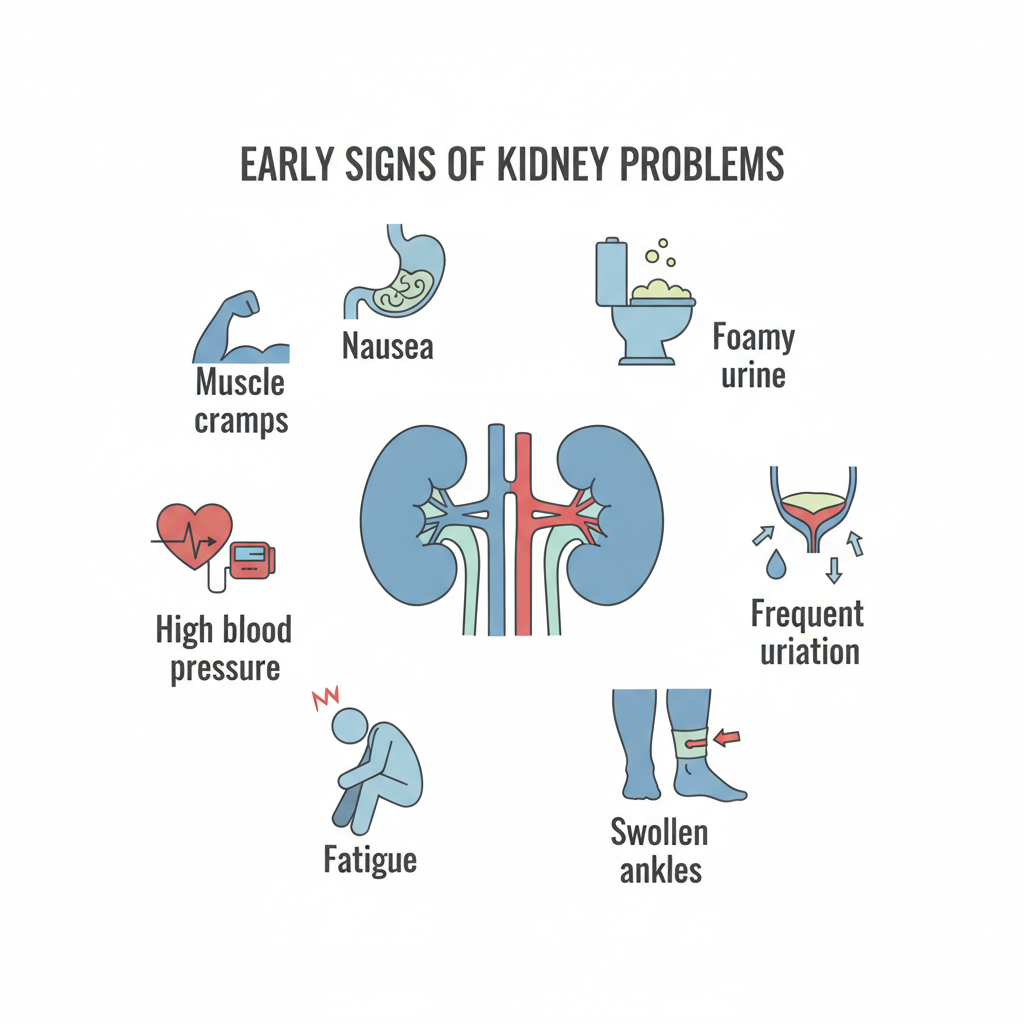
Still, your body can give subtle clues. Changes in urination, swelling, fatigue, foamy urine, and changes in appetite can all be signs that your kidneys may not be filtering, balancing fluids, or removing waste as efficiently as they should. These symptoms do not always mean kidney disease, but they are worth paying attention to, especially if they persist or appear alongside risk factors such as high blood pressure, diabetes, frequent NSAID use, or a family history of kidney problems.
Why kidney problems can be hard to notice early
Your kidneys work like a highly controlled filtration system. They remove waste products from the blood, balance fluid and minerals, help regulate blood pressure, and support red blood cell production. When kidney function begins to change, the body may adapt for a while, which is why early kidney problems can be easy to miss.
This is also why testing matters. Markers such as creatinine, eGFR, BUN, and albumin can give measurable insight into kidney function before symptoms become obvious. Symptoms can point you toward a possible issue, but testing helps show what is actually happening.
1. Changes in how often you urinate
One of the most common signs people notice is a change in urination. You may need to pee more often, especially at night, or you may notice that you are going much less than usual. Some people also describe a stronger urge to urinate, even when only a small amount comes out.
This happens because the kidneys are directly involved in making urine. If their filtering function changes, urine patterns can change too. However, this symptom is not specific to kidney problems. Urinary tract infections, diabetes, hydration, caffeine, medications, and hormonal changes can also affect how often you urinate.
If changes in urination are new, persistent, or happen together with swelling, fatigue, or abnormal test results, it is worth checking kidney markers.
2. Foamy or bubbly urine
Foamy urine can sometimes be a sign of protein in the urine, especially albumin. Healthy kidneys usually keep important proteins in the blood while filtering out waste. If the kidney’s filtering barrier becomes more “leaky,” protein may pass into the urine.
Occasional bubbles in urine can happen from speed, toilet water, or dehydration. But urine that is consistently foamy, especially if it looks frothy and does not disappear quickly, should not be ignored.
Protein in the urine is one reason kidney testing often looks beyond creatinine alone. Albumin can provide additional context about whether the kidney filter is working as it should.
3. Swelling in the ankles, feet, or around the eyes
Your kidneys help control fluid and salt balance. When they are not removing extra fluid efficiently, fluid can build up in the tissues. This is called edema, and it often shows up in the ankles, feet, lower legs, or sometimes around the eyes.
You might notice that your socks leave deeper marks than usual, your shoes feel tighter at the end of the day, or your face looks puffier in the morning. Swelling can also be caused by heart, liver, circulation, or hormonal issues, so it does not automatically mean kidney disease.
But because the kidneys play such an important role in fluid balance, persistent swelling is a sign worth taking seriously.
4. Fatigue that does not match your routine
Feeling tired is common, which is why this symptom is easy to dismiss. But kidney-related fatigue can feel different from normal tiredness. It may feel like heaviness, low stamina, brain fog, weakness, or feeling drained even after rest.
There are a few reasons kidney problems can contribute to fatigue. Waste products may build up in the blood when filtration slows down. Kidney dysfunction can also affect red blood cell production, which may contribute to anemia in more advanced cases.
Of course, fatigue has many possible causes, including low iron, thyroid problems, poor sleep, stress, infections, and nutrient deficiencies. But if fatigue is persistent and appears together with urinary changes, swelling, or abnormal kidney markers, it is worth investigating.
5. High blood pressure or worsening blood pressure control
The relationship between the kidneys and blood pressure goes both ways. High blood pressure can damage the small blood vessels in the kidneys over time. At the same time, reduced kidney function can make blood pressure harder to control because the kidneys help regulate fluid balance and blood vessel signaling.
This is one reason blood pressure is so important in kidney health. A pattern of rising blood pressure, needing more medication, or suddenly having readings that are harder to control can be a clue that kidney function should be checked.
Even if you feel fine, high blood pressure can quietly affect the kidneys for years. That is why people with hypertension are often advised to monitor kidney markers regularly.
6. Loss of appetite, nausea, or a metallic taste
When the kidneys are not filtering efficiently, waste products can accumulate in the blood. In more advanced kidney dysfunction, this may affect digestion and appetite. Some people notice nausea, reduced appetite, or a metallic taste in the mouth.
These symptoms are not usually the first sign of mild kidney changes, and they can have many other causes, including reflux, infections, medication side effects, stress, and digestive conditions. But when they appear alongside other possible kidney signs, they add important context.
A key point here is pattern recognition. One symptom alone may not mean much. Several symptoms together, especially if they are new or persistent, deserve attention.
7. Muscle cramps, itchy skin, or feeling generally “off”
The kidneys help regulate minerals and electrolytes in the body. When kidney function is significantly affected, imbalances in minerals such as calcium, phosphorus, potassium, and sodium may contribute to symptoms like muscle cramps, itchy skin, restless legs, or a general feeling that something is not right.
These symptoms can be vague, and they are often caused by other things. Muscle cramps may come from exercise, dehydration, magnesium status, or nerve irritation. Itchy skin may come from dryness, allergies, or skin conditions. But if these symptoms are persistent and appear together with swelling, foamy urine, fatigue, or blood pressure changes, kidney function is one area to consider.
How to test for kidney problems
Symptoms can give clues, but they cannot confirm kidney function on their own. To understand kidney health more clearly, it helps to measure markers that reflect filtration, waste removal, and protein balance.
The Kidney Function Test is the most relevant option for this topic because it focuses on markers linked to kidney filtration and waste handling, including key markers such as creatinine, eGFR, BUN, and albumin. This can help you establish a baseline and understand whether your kidney markers are within range.
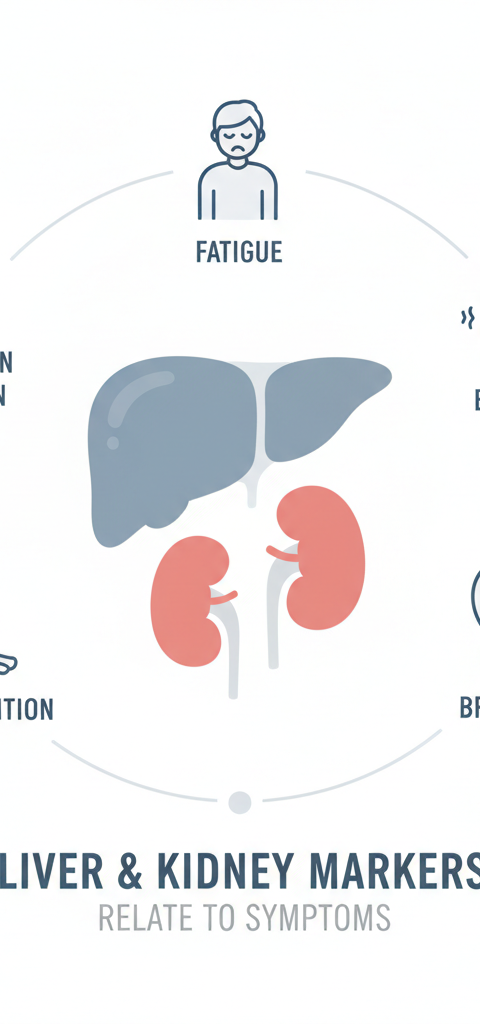
If you want a broader view of how your body processes and removes waste products, the Liver & Kidney Health Test may also be relevant. Liver and kidney markers together can provide wider context around organ function, filtration, and metabolic balance.
When should you take symptoms seriously?
You should not panic over one mild symptom. Many kidney-related symptoms overlap with common everyday issues. But you should pay attention if symptoms are persistent, worsening, or appear together.
It is especially worth checking your kidney function if you have high blood pressure, diabetes, heart disease, a family history of kidney disease, frequent use of NSAIDs such as ibuprofen, or previous abnormal kidney results.
Seek medical advice promptly if you notice blood in the urine, major swelling, severe pain, shortness of breath, very reduced urination, or symptoms that feel sudden or severe.
Conclusion
Kidney problems can be difficult to notice early because symptoms are often subtle or absent. Changes in urination, foamy urine, swelling, fatigue, high blood pressure, appetite changes, and muscle cramps can all provide clues, but they do not tell the whole story on their own.
The clearest way to understand kidney function is through testing. Markers such as creatinine, eGFR, BUN, and albumin can help show how well your kidneys are filtering waste and maintaining balance. If you notice possible signs of kidney problems, testing can help turn uncertainty into useful information.
Disclaimer: This article is for educational purposes only and does not constitute medical advice. Always consult with a healthcare professional before making changes to your health regimen.