Cortisol is often called the “stress hormone,” but cortisol is not only about being high or low. It is also about timing.
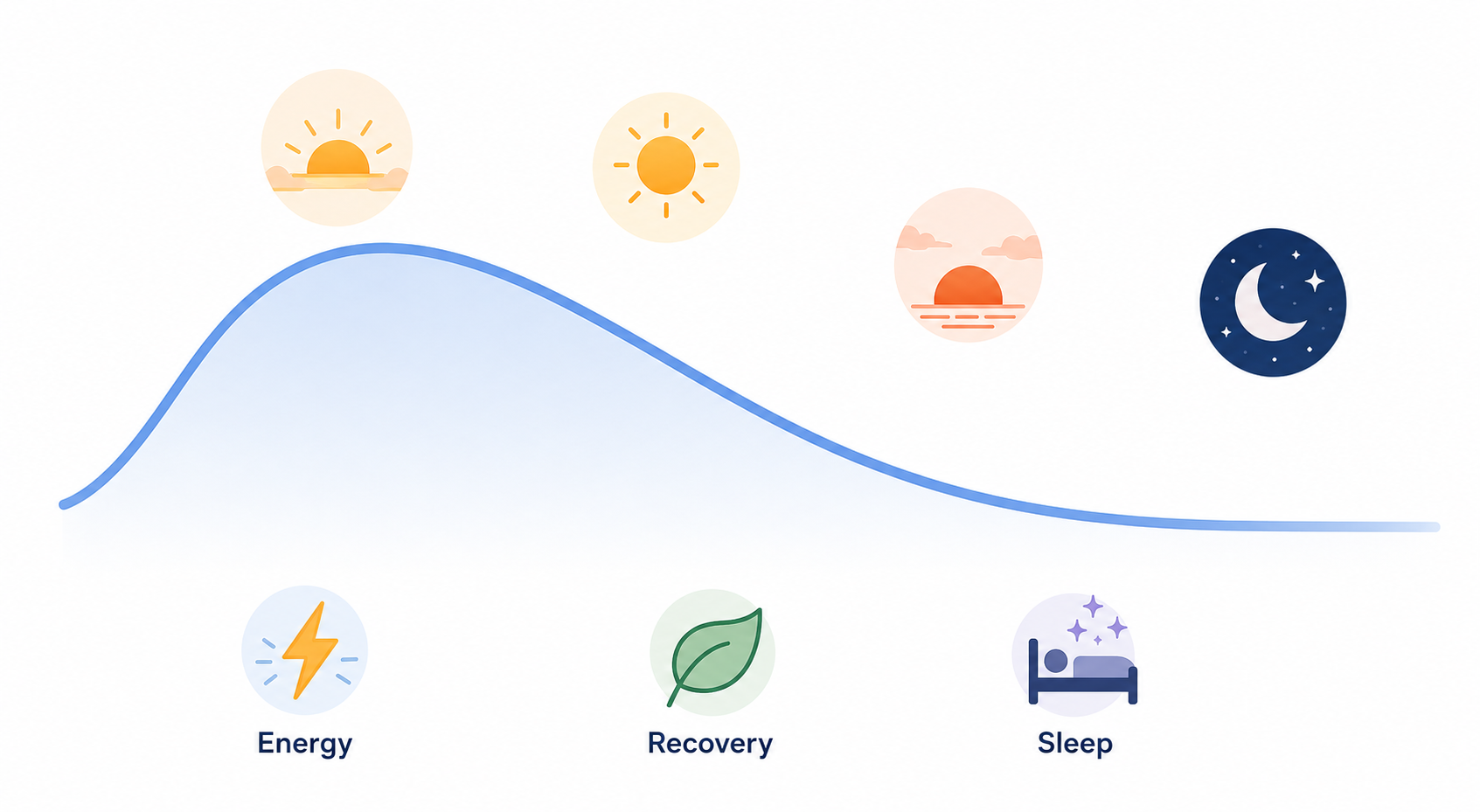
Your body is designed to produce cortisol in a daily rhythm. Levels usually rise after waking to help you feel alert and ready for the day, then gradually decline toward the evening so your body can shift into rest, recovery and sleep.
When this rhythm is disrupted, your energy can feel out of sync. You may wake up exhausted, crash in the afternoon, feel wired at night, sleep lightly or struggle to handle stress. This is why one cortisol result does not always tell the full story. A single measurement can look normal, while the full daily pattern may still be off.
What is the cortisol rhythm?
The cortisol rhythm, also called the diurnal cortisol curve, describes how cortisol changes from morning to night.
In a typical pattern, cortisol rises shortly after waking. This morning rise helps activate the brain and body after sleep. Cortisol then gradually declines during the day and reaches its lowest level in the evening and overnight.
Cortisol is meant to act like a daytime signal. It helps you get going in the morning and stay responsive during the day, but it should not keep the body in alert mode at night.
When cortisol does not rise and fall at the expected times, you may feel it as low morning energy, afternoon crashes, difficulty winding down at night, lighter sleep or reduced stress tolerance.
Why one cortisol result may miss the problem
Many people focus on “high cortisol,” but cortisol is supposed to change throughout the day. A healthy result depends on when the sample is taken.
Higher cortisol in the morning can be normal and useful. Higher cortisol late at night may be more disruptive because it can make it harder to wind down. Low morning cortisol may fit with feeling exhausted after waking, even after enough sleep.
This is the main “oh” moment: cortisol can look fine at one point in the day, while the rhythm still does not match how you feel.
Common cortisol rhythm patterns
A disrupted cortisol rhythm can show up in different ways.
Some people have a wired-at-night pattern, where cortisol remains too active in the evening. This may fit with racing thoughts, difficulty falling asleep, waking during the night or feeling tired all day but alert at bedtime.
Others may have a low-morning pattern, where cortisol does not rise strongly after waking. This may fit with morning exhaustion, brain fog, low motivation or needing caffeine to function.
A flat cortisol curve can also occur, where cortisol does not rise and fall clearly. This may be seen with burnout-like fatigue, long-term stress exposure, poor recovery or reduced stress tolerance.
These patterns do not diagnose a condition on their own, but they can provide useful context when symptoms are persistent and unclear.
What can disrupt cortisol rhythm?
Cortisol is regulated by the HPA axis, a communication system between the brain and adrenal glands. This system responds to stress, sleep-wake signals, blood sugar changes, inflammation and daily demands.
Short-term cortisol activation is normal. It helps you wake up, focus, exercise and respond to pressure. The problem begins when the body keeps receiving stress signals for too long.
Chronic stress, irregular sleep, late-night light exposure, overtraining, under-eating, blood sugar swings, caffeine timing and poor recovery can all affect cortisol rhythm. Over time, cortisol may become elevated at the wrong time, too low when you need it, or flatter across the day.
Why saliva testing is useful
Cortisol changes throughout the day, so testing at multiple time points can provide more insight than one single measurement.
Saliva testing is commonly used to measure free cortisol, which is the biologically active form available to tissues. Because samples can be collected across the day, saliva testing can help map the natural rise and fall of cortisol.
The 4-Point Cortisol Test is a useful option if you want to understand your cortisol pattern across the day. It typically measures cortisol in the morning, midday, afternoon and evening, showing whether your curve declines as expected.
For a more detailed assessment, the Diurnal Cortisol & CAR Test includes multiple time points and the cortisol awakening response, often shortened to CAR. CAR shows how cortisol rises after waking and can provide additional context around morning activation, stress resilience and burnout-like patterns.
The key point is simple: if you want to understand rhythm, you need more than one time point.
Can you improve your cortisol rhythm?
Cortisol rhythm is strongly influenced by daily timing cues. Morning light exposure, consistent wake times, regular meals, stable blood sugar, daytime movement and reduced bright light in the evening can all support a healthier rhythm.
Sleep timing also matters. Going to bed and waking at very different times each day can make it harder for the body to maintain a stable rhythm. For people who train hard, recovery days and enough food are also important, since under-fueling and overtraining can act as stress signals.
The right approach depends on the pattern. Someone with high evening cortisol may need a different strategy than someone with low morning cortisol or a flat curve. Testing helps you avoid guessing and choose changes that match your biology.
When should you consider testing?
Cortisol rhythm testing may be useful if you have persistent fatigue, disrupted sleep, afternoon energy crashes, poor stress tolerance, burnout-like symptoms, poor workout recovery or feeling tired in the morning but wired at night.
It may also be relevant if your symptoms continue despite basic lifestyle changes, or if standard testing has not explained why your energy and sleep feel out of sync.
Conclusion
Cortisol is not just about being high or low. It is about rhythm. The timing of cortisol can help explain why some people wake up exhausted, crash in the afternoon or feel wired at night.
Testing cortisol across the day can reveal patterns that a single measurement may miss. By understanding your cortisol rhythm, you can make more targeted changes to support energy, sleep, stress resilience and recovery.
Disclaimer: This article is for educational purposes only and does not constitute medical advice. Always consult with a healthcare professional before making changes to your health regimen.